Company news and events on site — based on posts on the official Hempfarm Instagram.
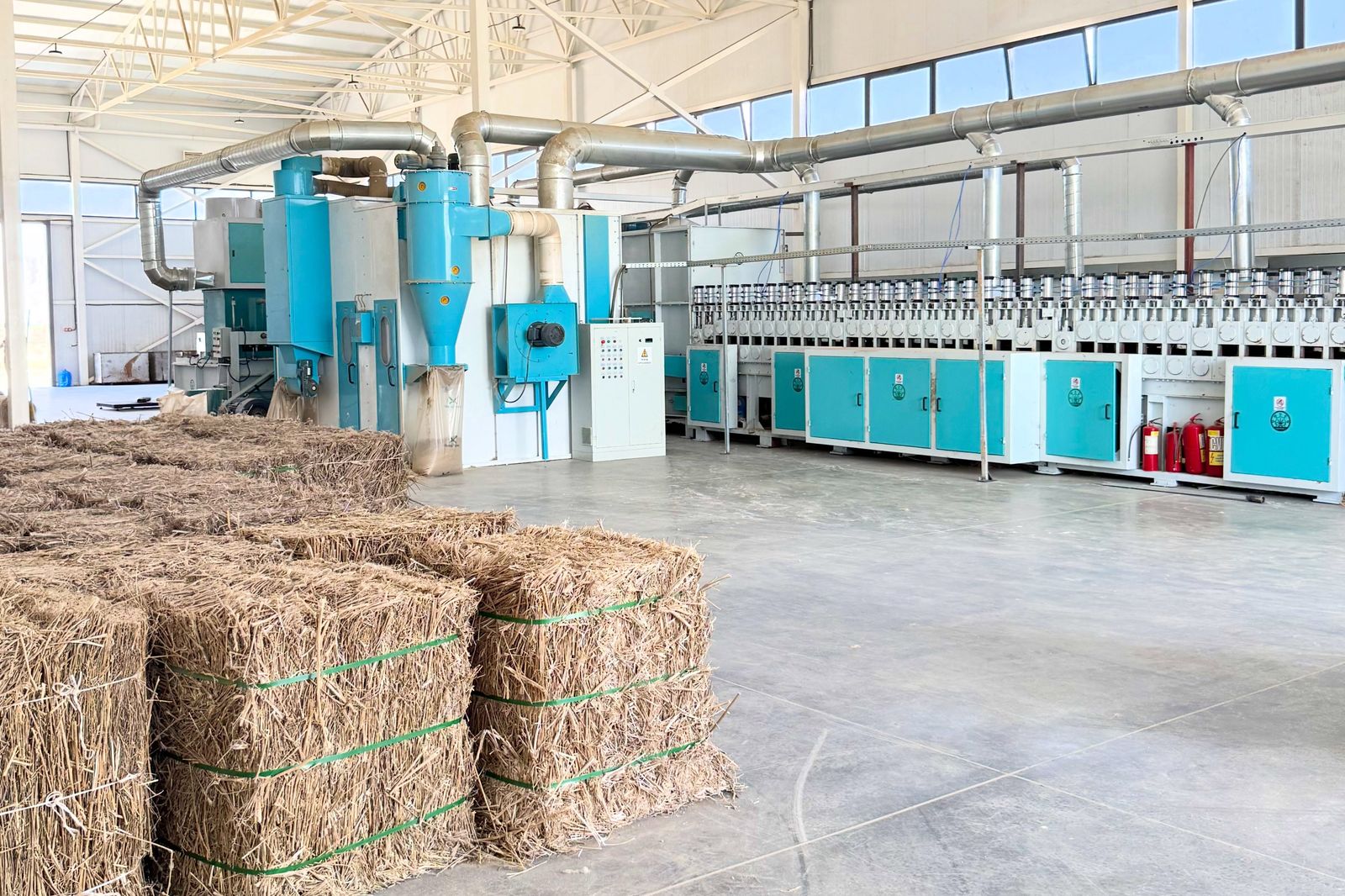
Every meter of this workshop tells the same story: raw stalk becomes clean fiber without leaving the building. Decortication, cleaning and sorting form one continuous process, laid out from start to finish. And this is only the current stage: new lines are already on their way to Uzbekistan. Hemp Farm is being built with scale in mind.
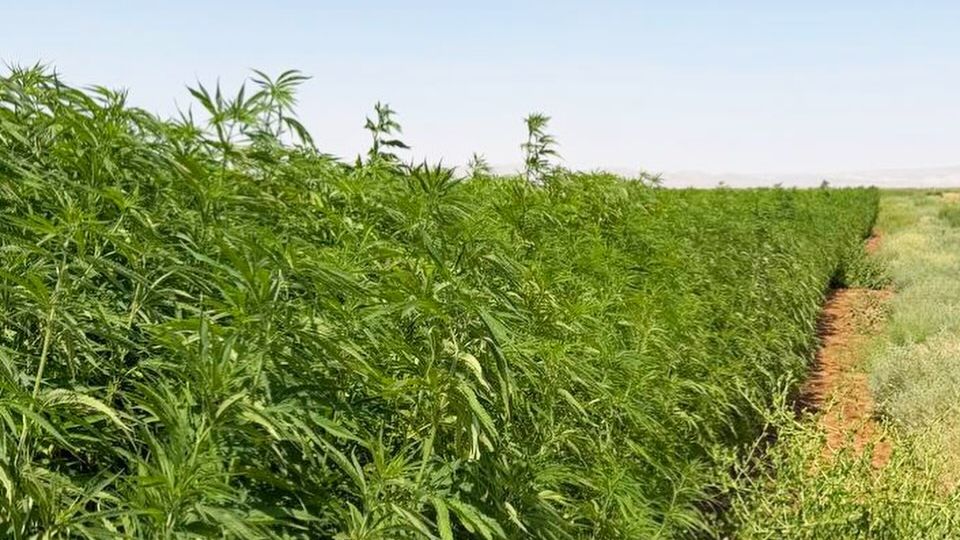
Behind every harvest are people. When people talk about 1,015 hectares of industrial hemp, they usually think of numbers; we think of the people who work on every hectare. Since 2022, Hemp Farm's agronomic work has been led by chief agronomist Mukhriddin Juraev, a graduate of Tashkent State Agrarian University in plant breeding. Before joining the company, he worked for several years in Uzbekistan's state agricultural inspection system. In the heat, when temperatures reach 50–60 °C, he and his team irrigate every day, monitor the condition of the crops and carry out all field work. The project covers 1,015 ha, and about a third of the land has been brought into cultivation so far. The region's climate allows two harvests a year: the cultivated area is expanding, and previously degraded land is being returned to use. This is more than agriculture: it is land restoration and climate resilience. And this is only the first chapter of a bigger story.
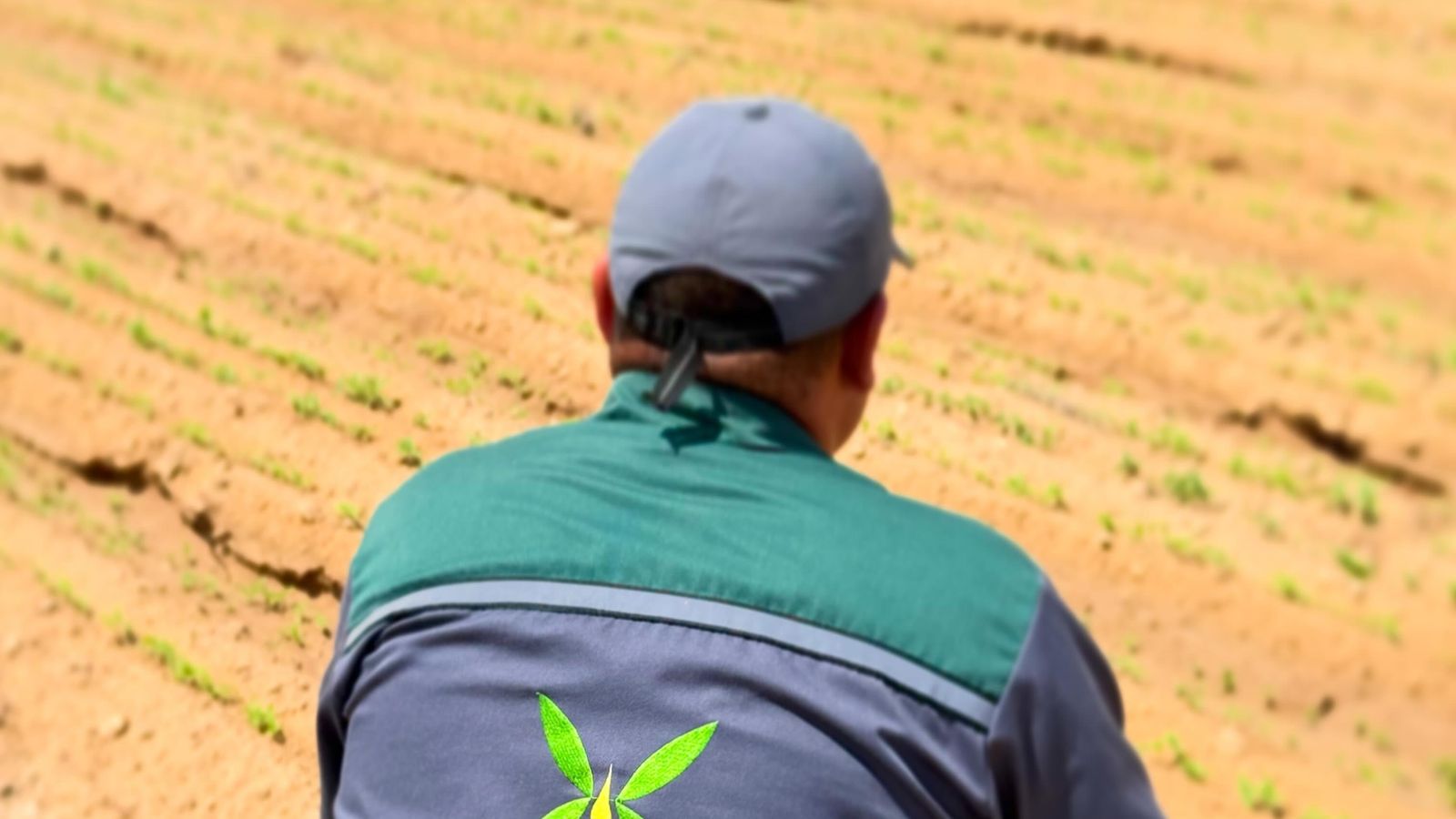
Hemp Farm has opened the first of its two 2026 growing seasons. The photo shows sown plots with the first industrial hemp seedlings on the cluster's irrigated fields, and a company employee in the field.
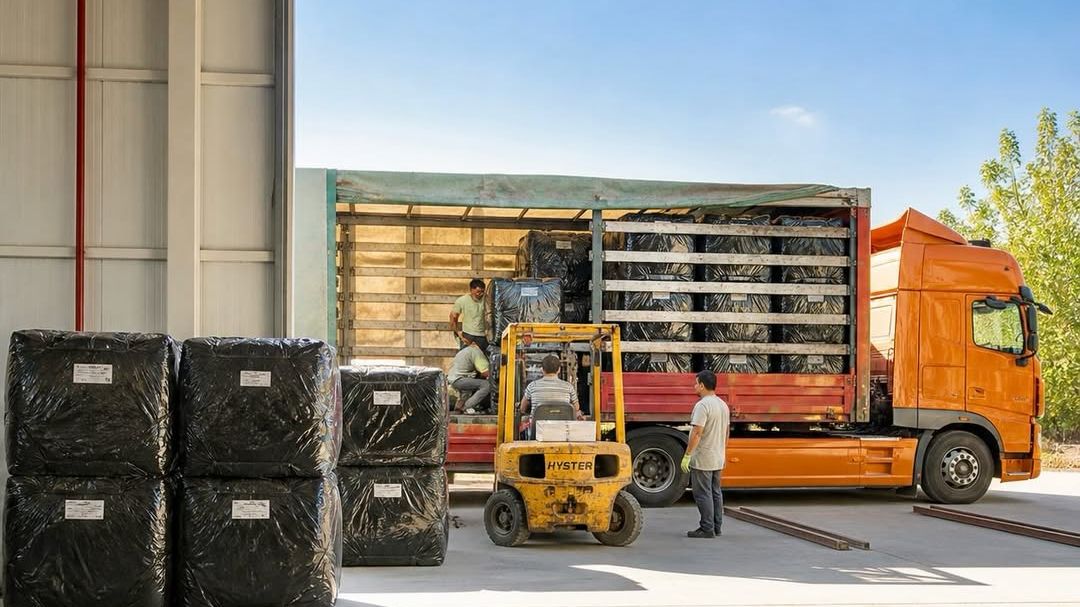
Hemp Farm's first export batch has been shipped. The next task is to increase volumes. The photo shows bales being loaded into a truck at the cluster's warehouse. Delivery terms, batch documents and target markets are in the “Export & logistics” section.
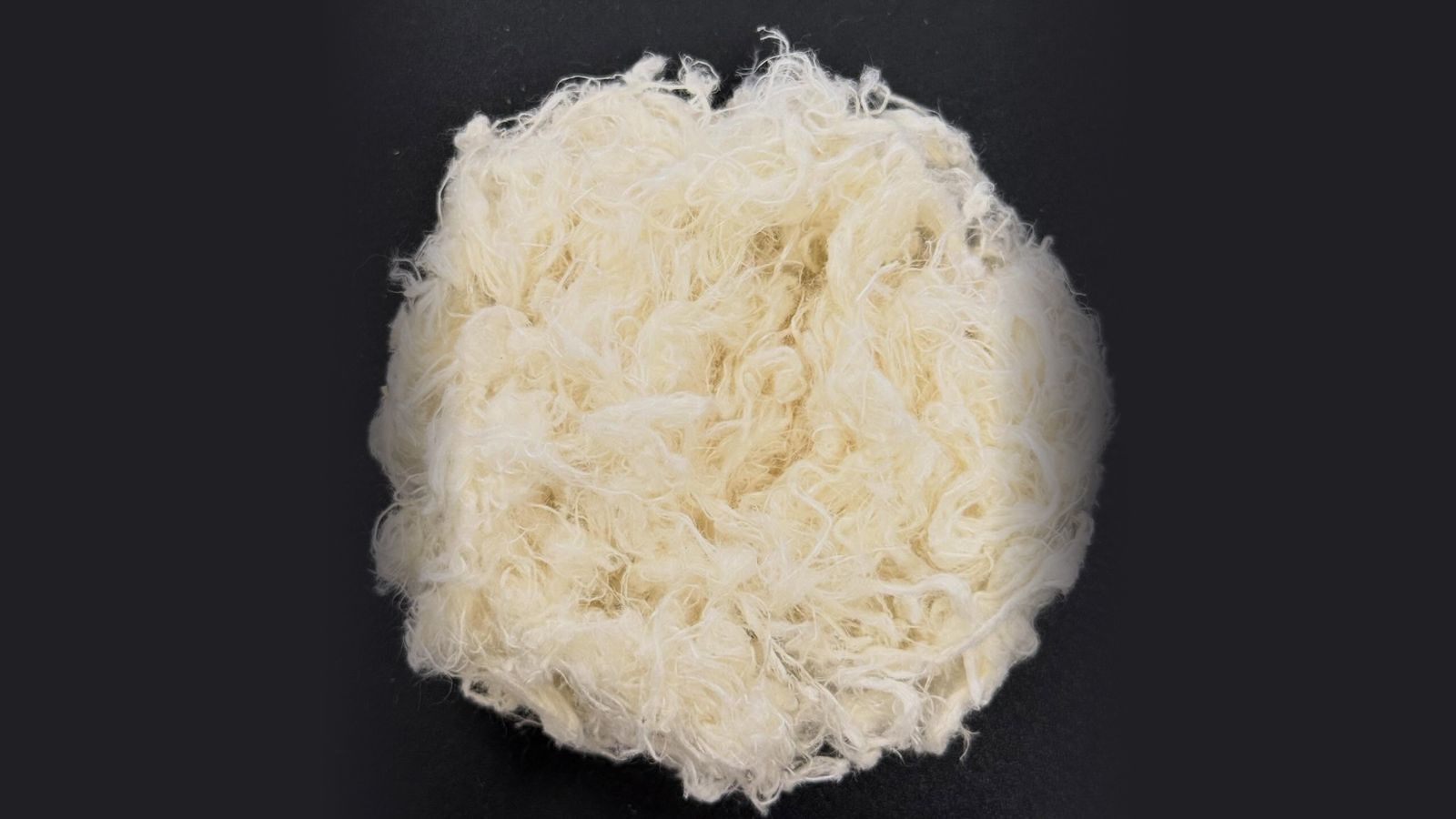
Hemp Farm is developing technical fiber from the field to the finished material. The photos show different stages of processing: fiber after decortication, after degumming, and bleached fiber ready for textile processing. The growing cycle in Uzbekistan is 90–120 days. In that time, industrial hemp yields strong fiber for textiles and composites, while the hurd goes into construction and bio-based materials. During the growing season the crop absorbs CO₂ — this creates measurable climate value and potential for future carbon credit mechanisms. Uzbekistan's climate, land resources and agricultural base make it possible to develop this industry. Hemp Farm is building a chain: grown locally, processed on its own lines, supplied to global markets.
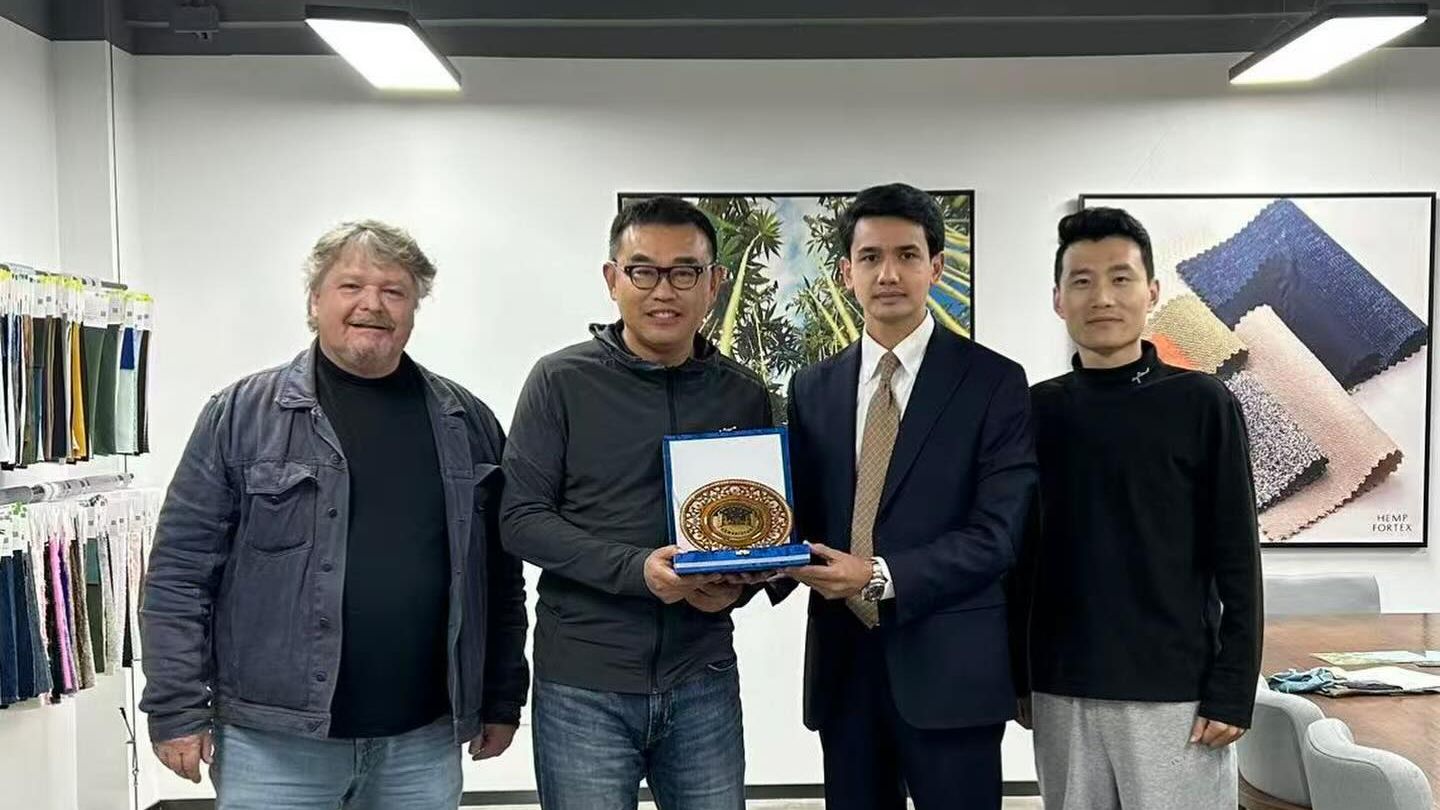
Several months ago, the Hemp Farm team held a working meeting at the headquarters of a Chinese textile company in Qingdao. The meeting started a substantive professional dialogue on industrial hemp materials, fiber quality and its long-term use in textiles. Over the following months the dialogue continued: the parties discussed and agreed on approaches in detail. As a result, the companies signed a memorandum of understanding and officially launched long-term cooperation. This cooperation reflects a shared understanding of how industrial hemp projects should be built: on substance, consistency and a long-term perspective.
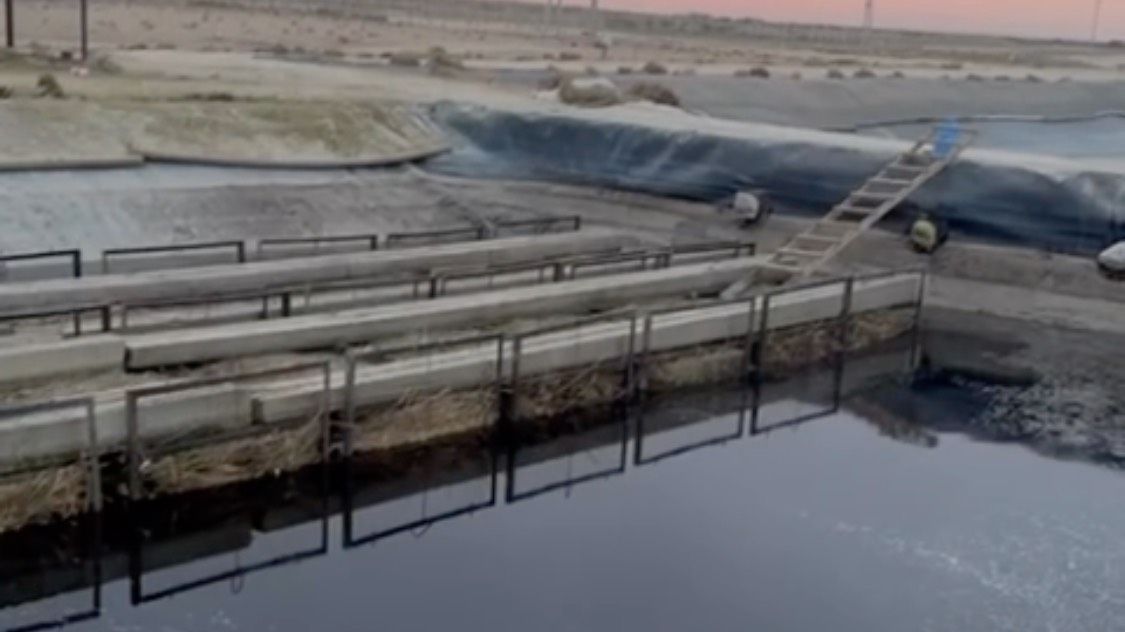
The post-harvest stage at the Hemp Farm site. For retting — soaking the stalk, which prepares it for fiber separation — special water pools are used. This is a key step before industrial processing. All stages are in the “Production” section.
News is published based on posts from the company's official Instagram — @hempfarm.uz.
Logo (color and monochrome), brand colors and photos, key figures and the company presentation. Media contact: info@hempfarm.uz.