Home/About us

The cluster that brought desert land back into use

HEMPFARM JV LLC is a joint venture: an industrial hemp agro-industrial cluster established by Cabinet of Ministers Resolution No. 511 of 20 September 2022. Full cycle, from cultivation to export.

Cabinet Resolution No. 511 Licence No. 108836 Major investment project
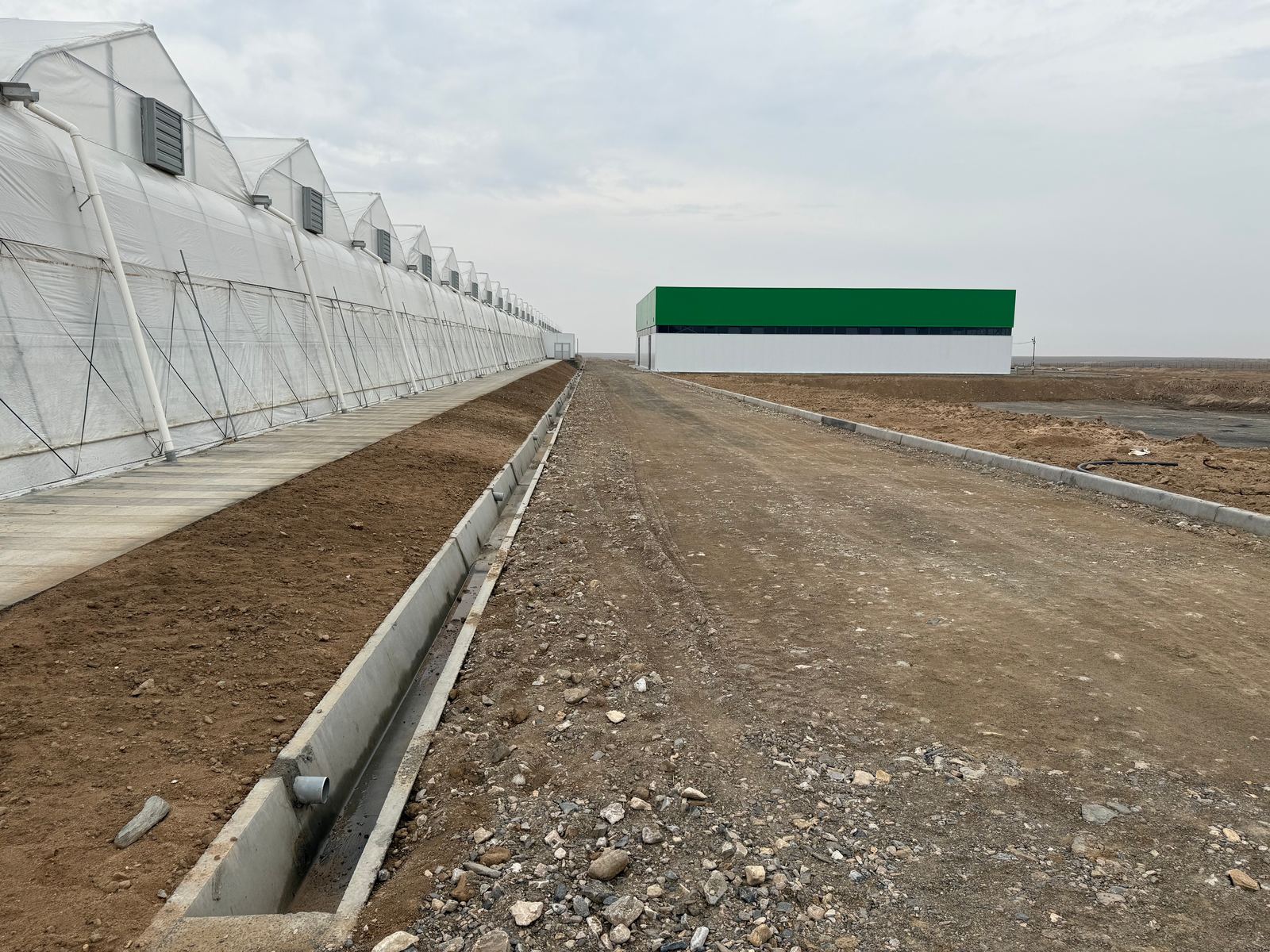
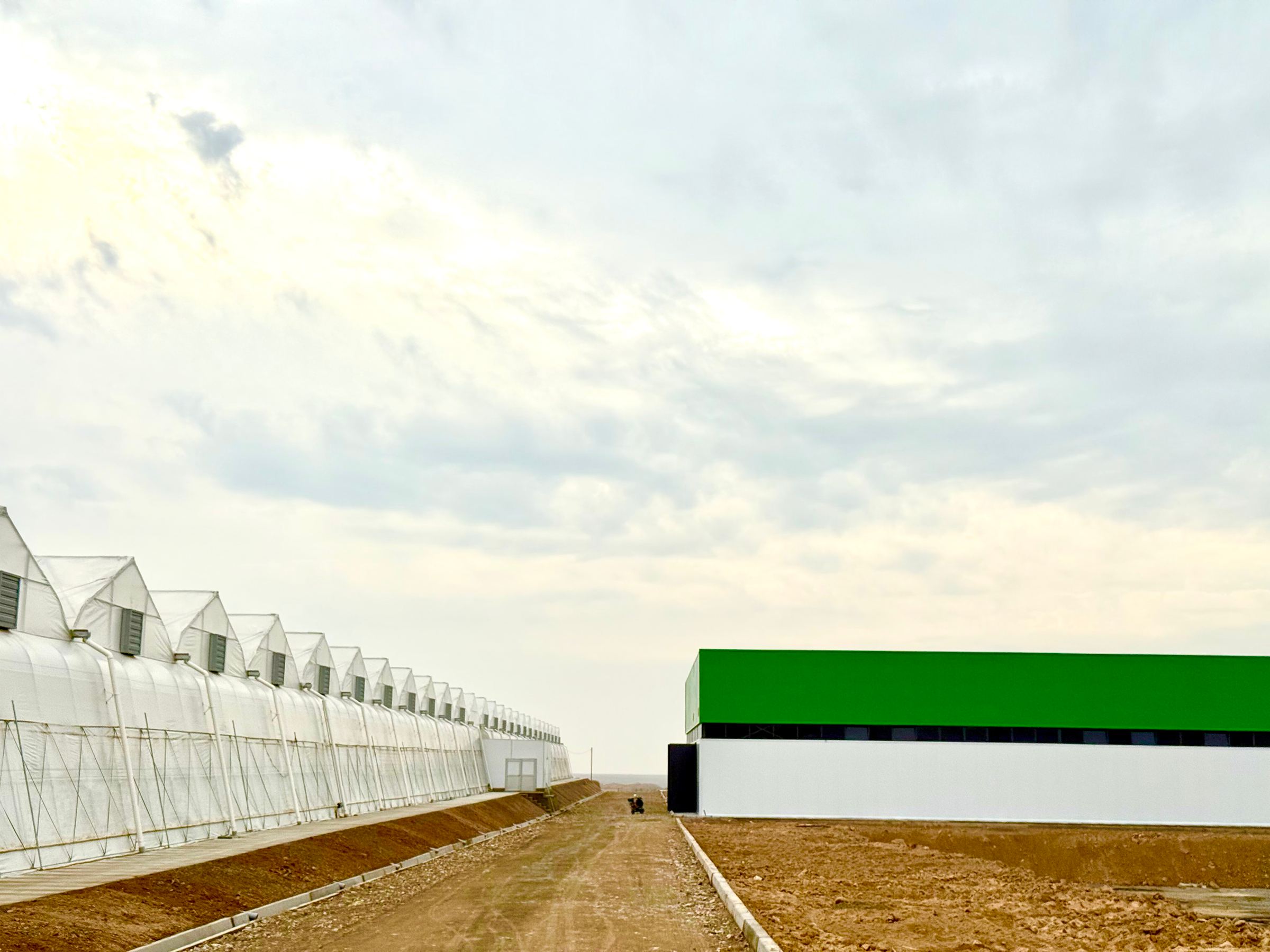
Cluster site: Sunrise greenhouse and production building
Project status

Backed by a resolution — built on site

Resolution No. 511 sets the goal of “attracting foreign direct investment, phased development of unused land, production of high value-added goods and creation of new jobs in rural areas”.

01 · Investment

Major investment in the region

Infrastructure, a greenhouse and processing lines have been built — investment in Kiziltepa District, which previously had no similar production facilities.

02 · Land

350+ ha developed and expanding

Land that had been out of agricultural use for more than 30 years now has irrigation and mineral fertilization; the cluster's land bank is 1,015 ha.

03 · Export

High value-added products

2025 — first export shipment (China); 2026 — export contract with a buyer in India. Fiber parameters are confirmed by testing.

04 · People

Rural jobs

About 50 permanent and 60–80 seasonal jobs every day for about 8 months a year — in Kiziltepa District, where this land previously provided no jobs.

Major investment project status. The agro-industrial cluster was established by Resolution No. 511 of the Cabinet of Ministers of the Republic of Uzbekistan of 20 September 2022 “On measures to organize an agro-industrial cluster in Navoi Region”. The project has the status of a major investment project: fulfilment of investment obligations is monitored monthly by the Cabinet of Ministers.
1,015 ha
Cluster land bank
350+ ha
Developed and expanding · 2 harvests a year
2025
First export shipment — China
20,416 m²
Climate-controlled Sunrise greenhouse
63,000 m³
Water supply: two basins, the first of four wells
№ 108836
State licence from the Ministry of Agriculture
Why hemp

It was not displaced. It was banned.

Millennia, a break and a return: the story of a material coming back to the market.

5000 BC · beginnings

One of humanity's first fibers

In Asia, hemp was used for weaving and papermaking thousands of years BC.

It is neither a new crop nor a fashionable one — it is one of the oldest crops humans ever learned to cultivate.

7,000 yearsof hemp fiber

Click an era or “Next” — eras also switch automatically
Mission

To turn unused land into a source of world-class sustainable raw materials, creating jobs and added value in Uzbekistan.

Strategy

Not to compete with textile mills but to supply them: cottonin for blending with cotton, hurd and pallets for the composites industry. Next — new products from the same stalk.

Values

Transparency and licensed operations, independently verified quality, long-term relationships with partners and care for the land.

History

From decision to operating cluster

From the 2022 resolution to the first export and full-cycle processing. Plans for 2027 and 2030.

2022

Resolution No. 511 and licence

The cluster was established by a Cabinet of Ministers resolution of 20 September 2022; licence No. 108836 was obtained (valid from 15 November 2022).

2023–2024

Land development and infrastructure

Valley irrigation — 4 systems, a reservoir and basins, Sunrise greenhouse.

2025

First sowing and first export

First commercial-scale sowing, first decortication line, fiber testing at the Academy of Sciences of the Republic of Uzbekistan and TITLI, first export shipment — China.

2026

India and full cycle

Export contract with a buyer in India (March), shipments of fiber and biomass; seasonal harvesting; delivery of three U-MAX lines (September); launch of full-cycle processing (October).

2027

Plan plan

Expansion of the sown area, first commercial batches of cottonin and molded pallets.

2030

Goal goal

Bringing the entire 1,015 ha land bank into use; deep-processing products from hurd — boards and composites.

Transformation

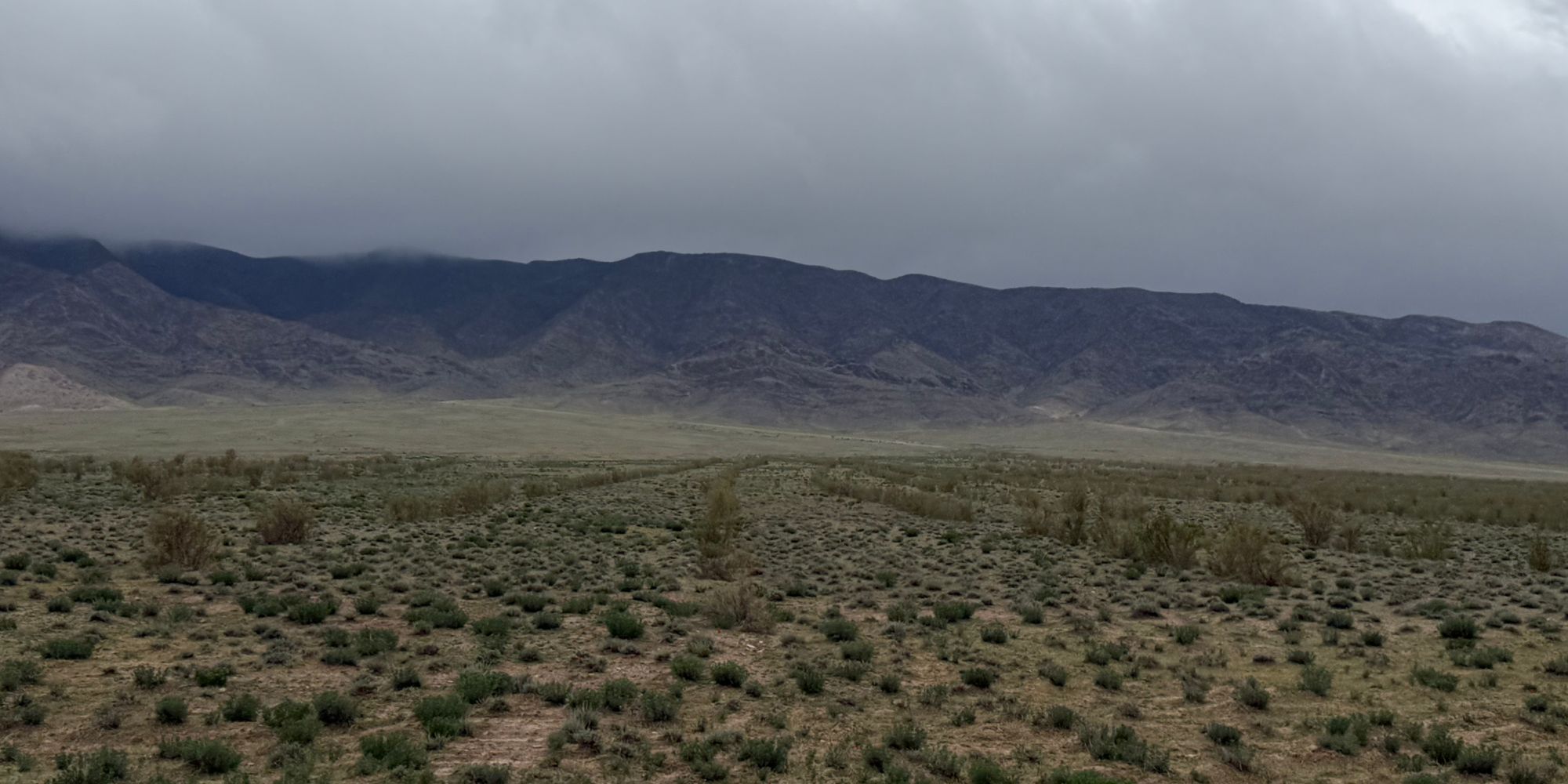
From desert to flowering field

Drag the slider: the land before development — and licensed industrial hemp under sprinkler irrigation today.

The land before development — semi-desert at the foot of the mountains
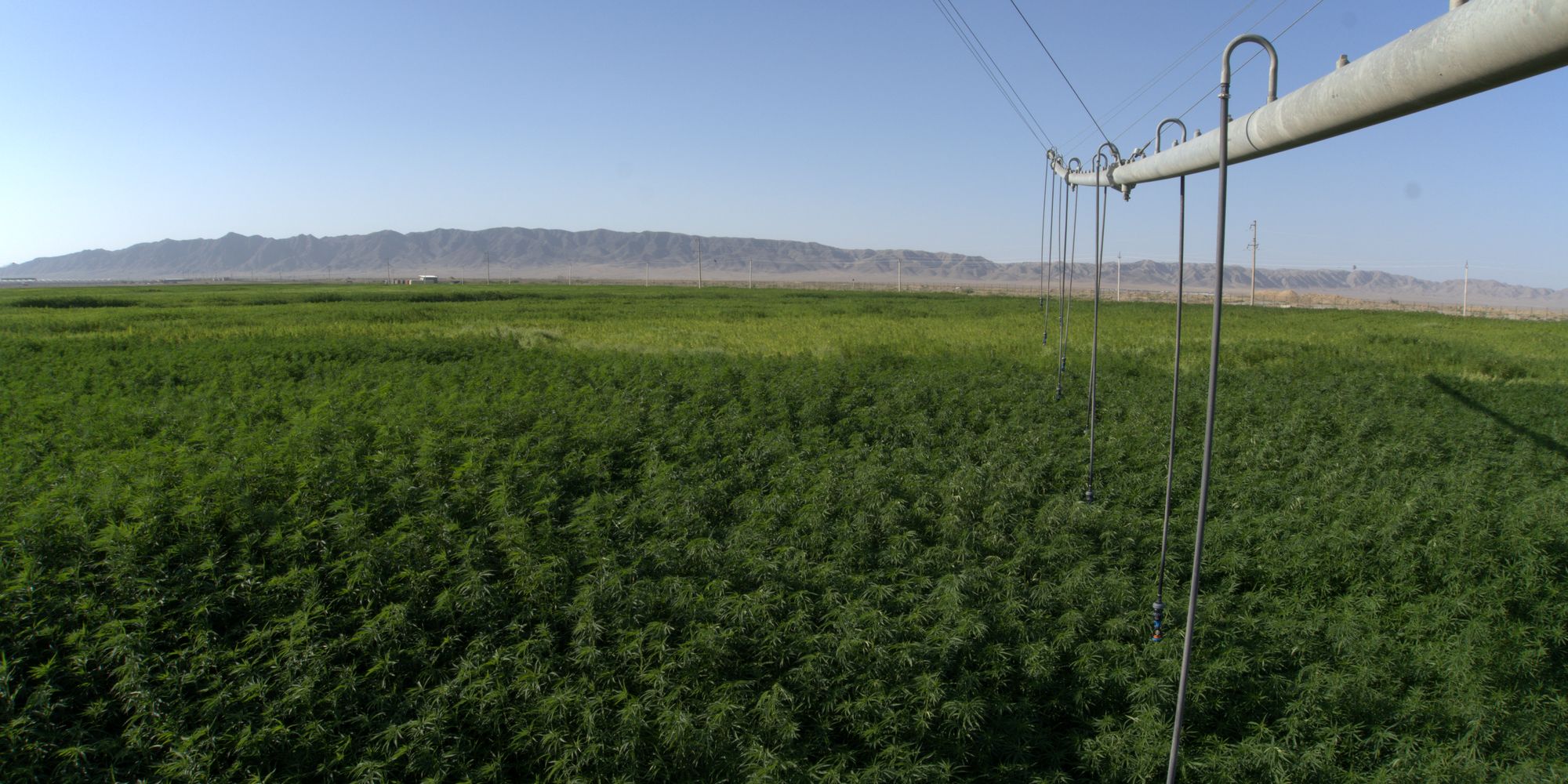
Industrial hemp field under a center-pivot irrigation machine
Before · prior to development After
Infrastructure

Built on site — operating today

Land, water, power and security are in place — the groundwork that usually falls to the investor has been done.

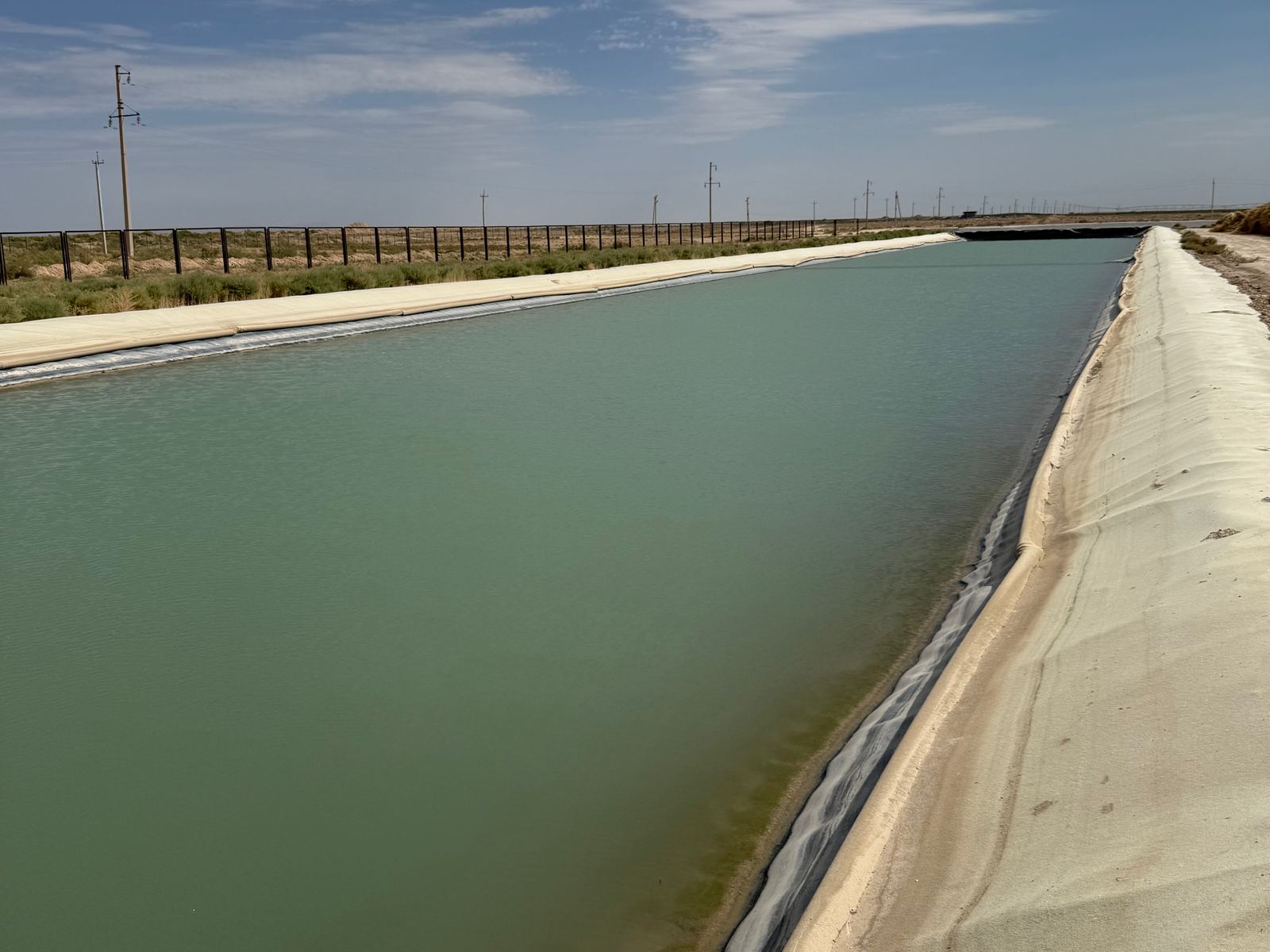
Basin with a waterproofing membrane at the cluster site
Water

Water supply 63,000 m³

Two basins have been built; the first of four planned wells has been drilled.

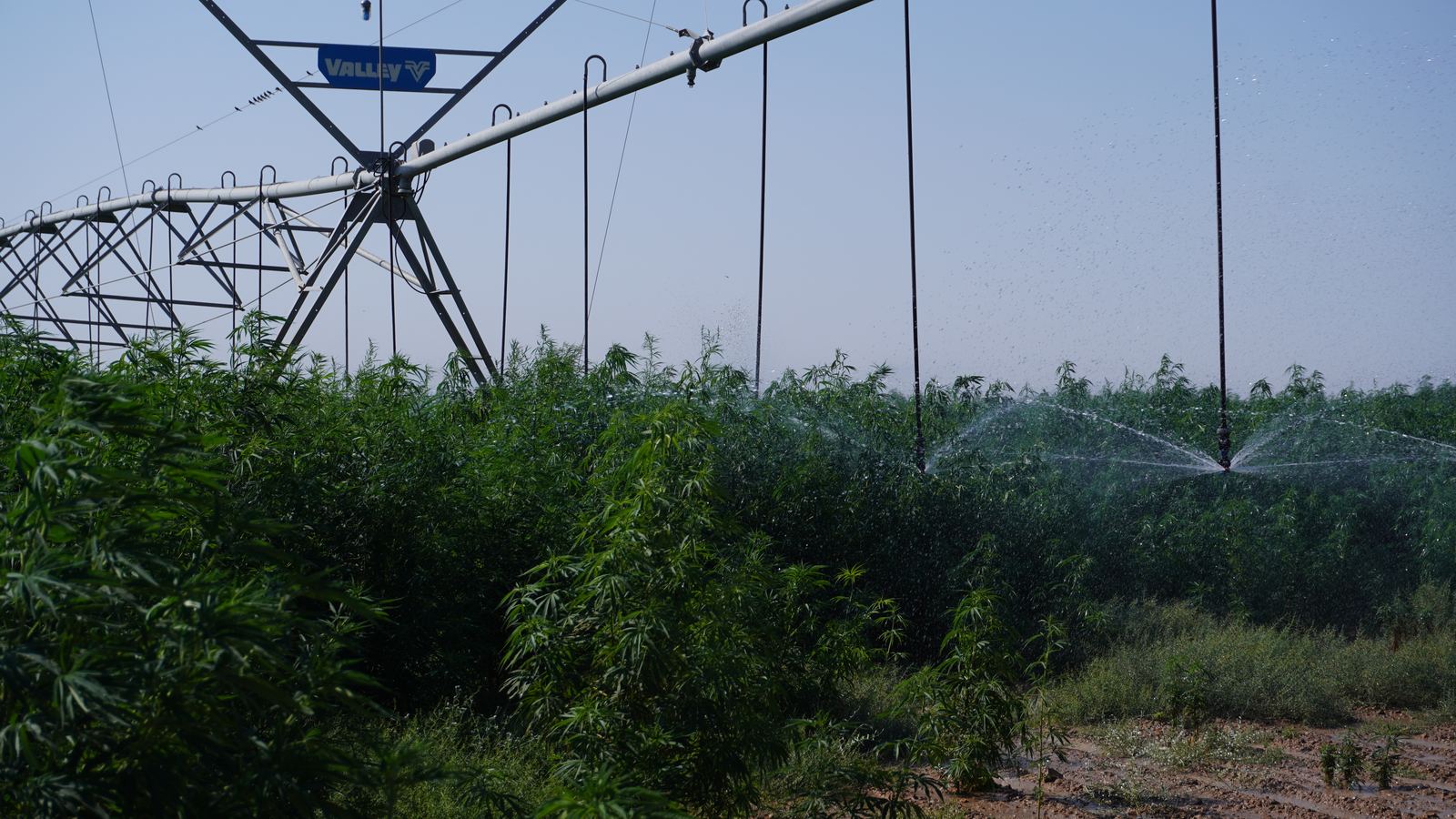
Valley center-pivot irrigation system in operation
Irrigation

4 Valley systems

Four US-made center-pivot irrigation systems (Valmont Industries) are installed and operating.

Power

Power supply 1,000 kW

The transformer covers current and future needs; 5 km of power line on poles has been installed.

Sunrise greenhouse, exterior
Greenhouse

Sunrise — 20,416 m²

IoT climate control, Netafim fertigation, evaporative cooling — seedlings year-round.

Decortication line in the workshop
Plant

Processing lines

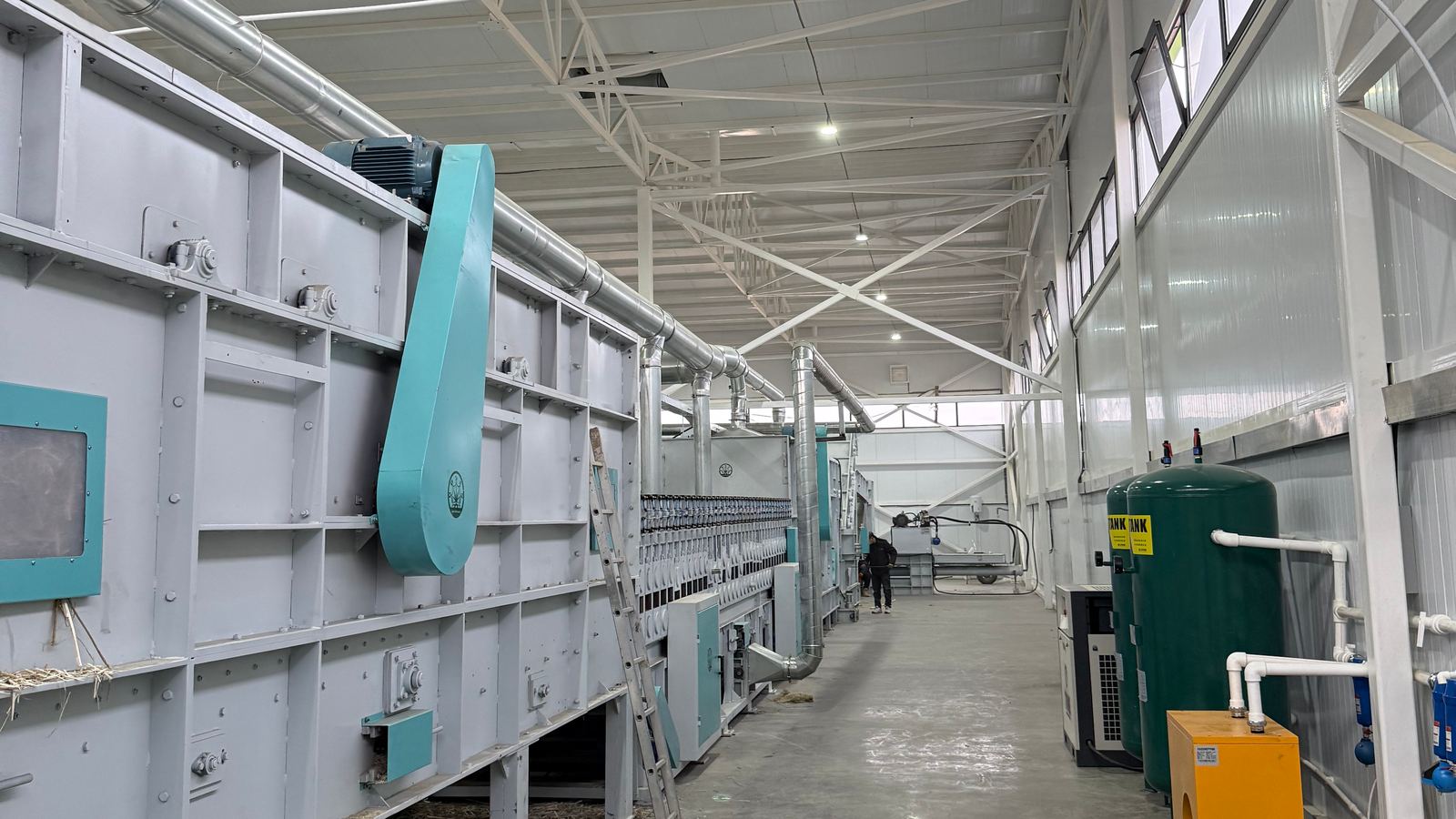
Decortication line capacity — ~3.5–4 t of raw material per hour; cottonization and pallet pressing 2 × 1,600 t — full-cycle processing at one site.

Security

Guarded site

The site is fully fenced and guarded; accommodation and safety conditions for staff are in place.

Sustainability

Sustainability built into the model

Industrial hemp yields a harvest on saline, low-organic soils where traditional crops are not economically viable — about 7 t of biomass per hectare per season. No pesticides are used.

01

Carbon sequestration

8–15 t of CO₂ per hectare per cycle — about twice as effective as forest (according to industry data); a point for partners' ESG reporting.

02

Land restoration

Degraded saline soils have been returned to productive, licensed use.

03

Crop rotation — planned

Rotating hemp with wheat is planned to improve soil fertility.

04

Water savings and zero waste

3–4 times less water than cotton (industry data); 100% of the stalk is used — both the fiber and the hurd become products.

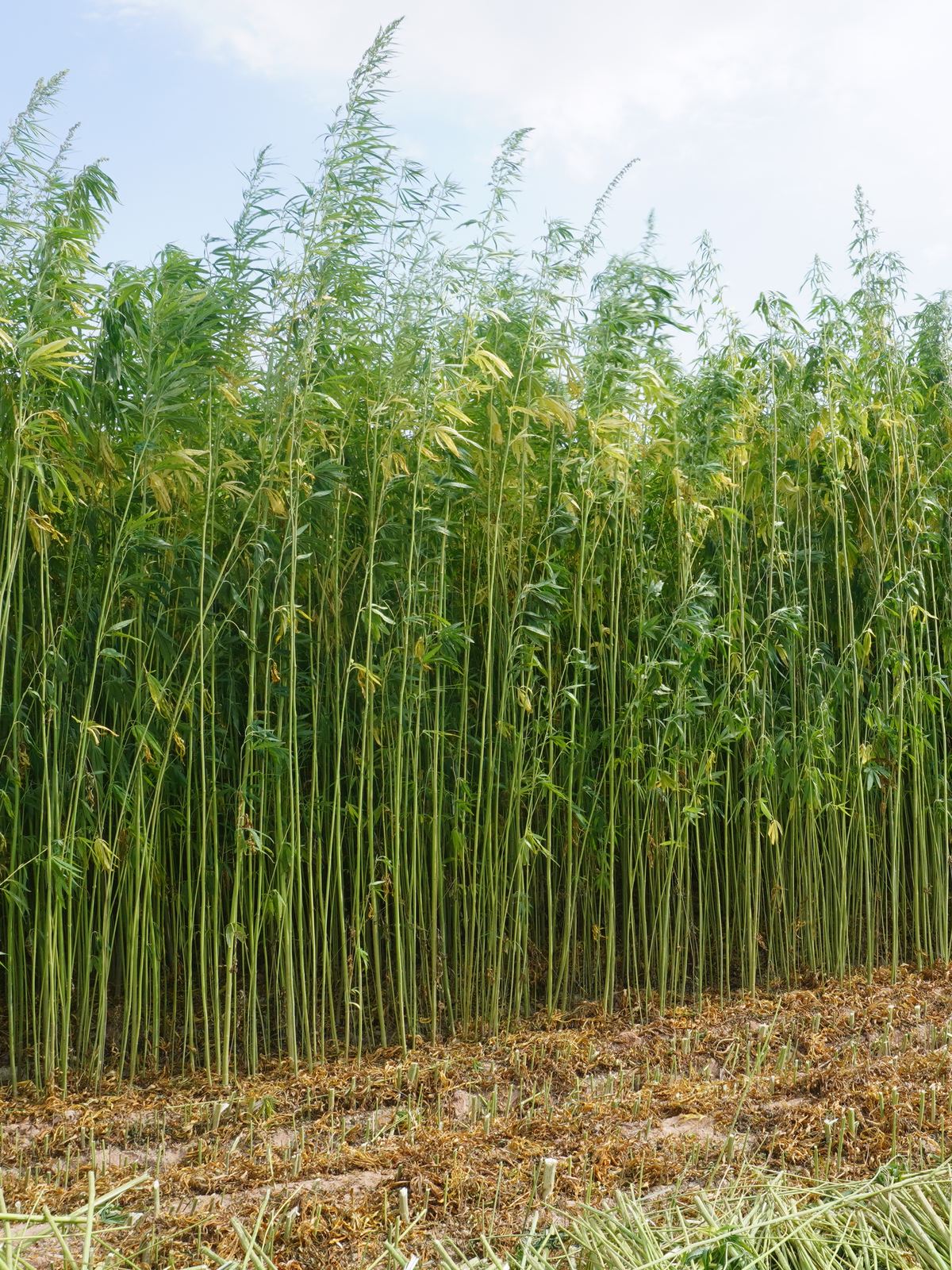
Industrial hemp standing crop before harvesting
“A crop that gives back more than it takes”
Next step

Take a closer look at our production

Download the company presentation or request a site visit in Navoi Region — we will show you the fields, the greenhouse and the processing lines.