Hemp Farm works with the Academy of Sciences of the Republic of Uzbekistan and TITLI: we test our fiber and compare it with international counterparts, select sowing dates and irrigation regimes for the arid climate, fine-tune the processing lines and develop new products from hurd.
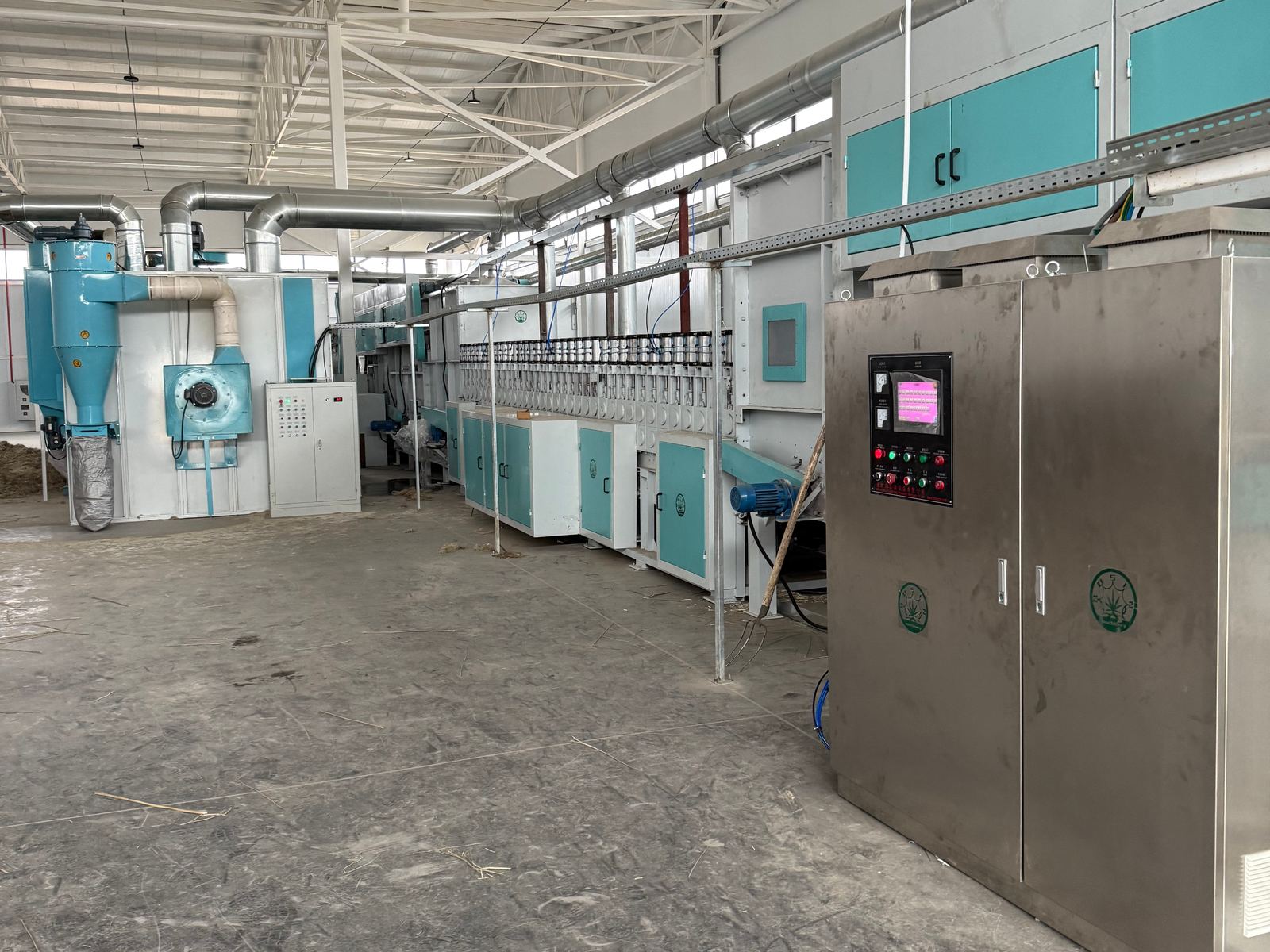
Work that is actually under way on site and with partner institutes.
How the sowing date affects stalk height and fiber yield in an arid climate — 2026 season data.
Irrigation uniformity, moisture sensors, telemetry of the Valley center-pivot irrigation systems.
pH control, water recirculation and treatment, processing of organic residues into fertilizer.
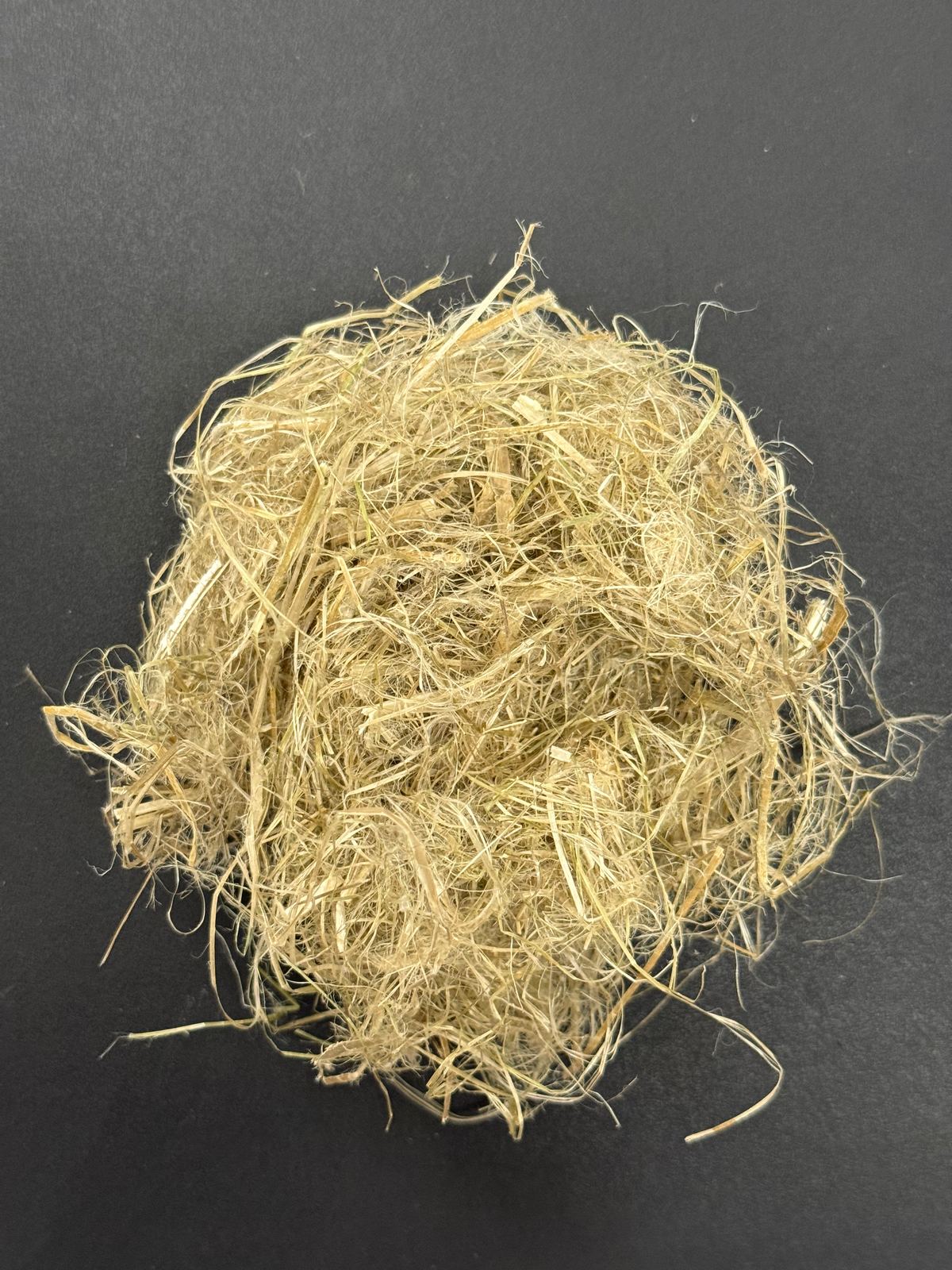
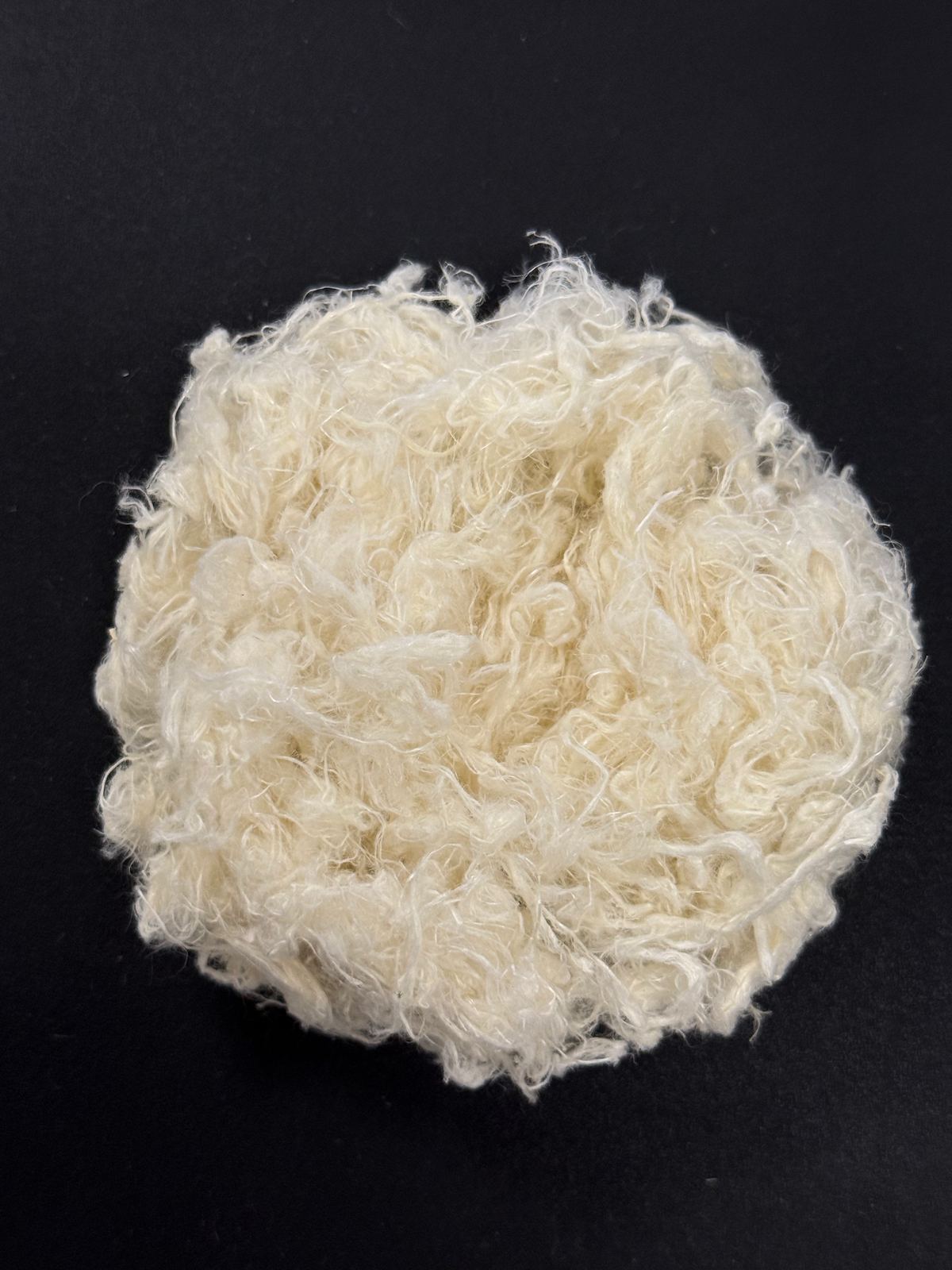
Fiber yield and purity, suitability for cottonization; line settings tailored to the buyer's requirements.
Molded pallets — 2 × 1,600 t pressing line; board materials are under development.
Physical and mechanical properties — Academy of Sciences of the Republic of Uzbekistan; fineness, staple length and spinnability — TITLI.
An industrial crop with a THC content below 0.2% — it has no narcotic effect and is grown under licence in most countries of the world. One of the most versatile plants: its fiber and hurd are used in textiles, construction, composites and energy.
stronger than wood-based paper — and withstands more recycling cycles
absorbed by one hectare per cycle — twice as much as a forest (industry data)
from sowing to harvesting — hence two harvests a year in Navoi
of the stalk is used — fiber and hurd both become products
Comparison based on laboratory test reports and open sources. Fiber properties depend on the growing region and processing technology — which is why we measure rather than assume.
| Parameter | Hemp Farm fiber | Cotton | Flax | What it means |
|---|---|---|---|---|
| Cellulose | 98,3% | ~90% | ~70% | cleaner raw material — more stable processing |
| Breaking tenacity | 32.3 cN/tex | Pima/Supima level | high | strong yarn and fabrics |
| Staple length for blending | 30–50 mm | 28–38 mm | — | spinning on standard equipment |
| Crop water use | low | high | medium | 3–4 times less than cotton |
| Pesticides | not used | used | limited use | purity and ESG reporting |
| Harvests per year (Navoi) | 2 | 1 | 1 | supply volume and consistency |
Figures for alternative fibers are based on open industry sources and TITLI test reports; they are refined as new tests are carried out.
Testing and methods — with the country's leading research organizations. Results are documented in test reports and provided to partners on request.
fiber physical and mechanical properties → test report
Institute 02textile test methods → test report
batch analysis, a quality certificate for every batch
GlobalG.A.P. · OEKO-TEX STANDARD 100 → stages