It is an agricultural crop grown for fiber and building materials. Here we explain how it differs from drug varieties, how the state controls it and what is made from it.
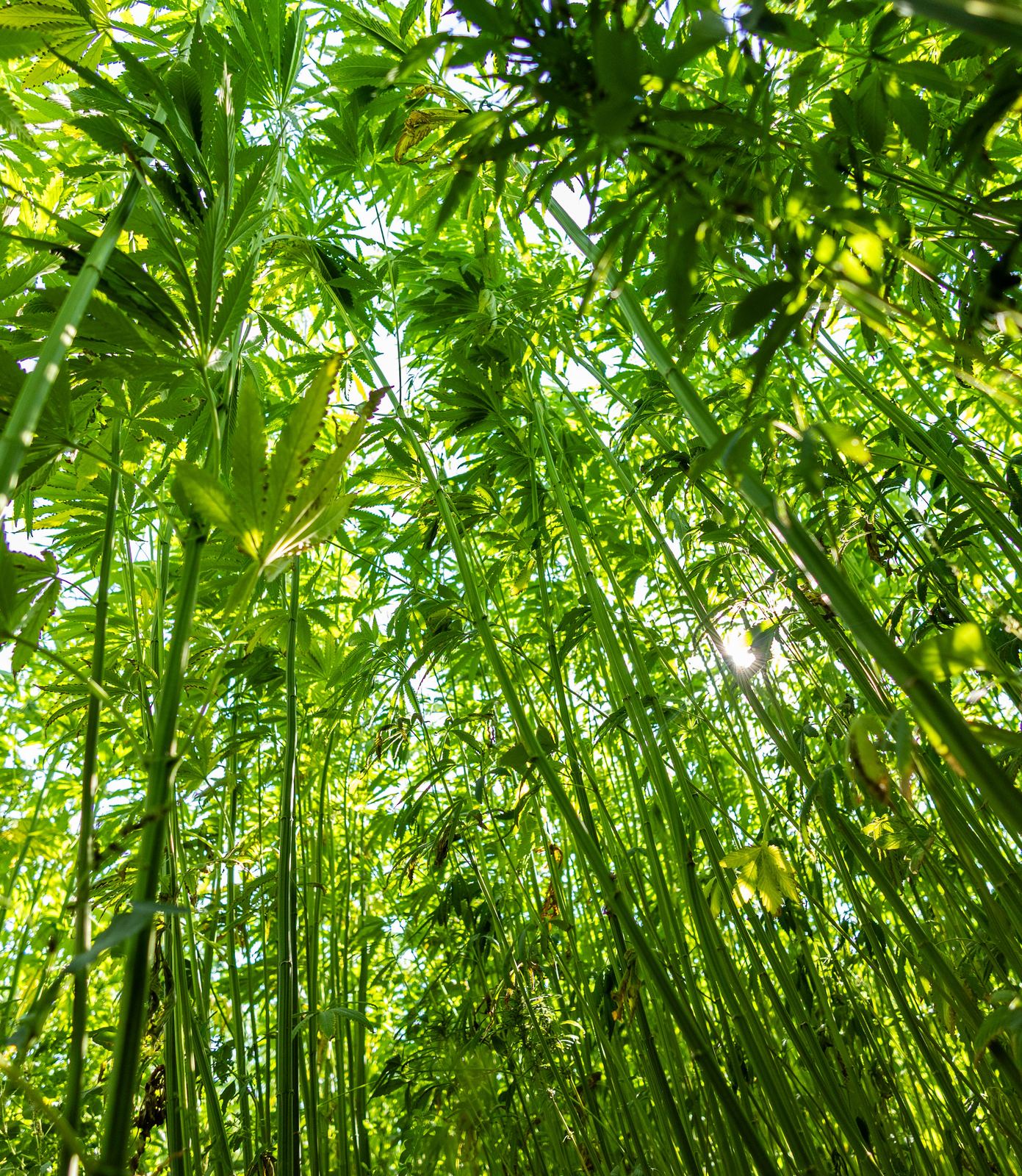
Industrial hemp and drug-type cannabis are different varieties of the same species, Cannabis sativa. They are grown for different purposes and differ above all in their THC content.
THC is the substance responsible for the psychoactive effect. At this level, there is no such effect.
Cultivation is carried out under a state licence, and the cluster was established by Cabinet of Ministers Resolution No. 511.
Before harvest, the competent authorities take samples in the field and confirm the THC level.
The stalk yields fiber for textiles and hurd for building materials.
Varieties with a very low THC content are classed as industrial hemp. The limit is set by law: 0.3% in the EU, the US and Canada. Hemp Farm's crops are below 0.2%.
| Feature | Industrial hemp | Drug-type varieties |
|---|---|---|
| THC content | below 0.2% | tens of times higher |
| Psychoactive effect | none | present |
| Grown for | the stalk: fiber and hurd | the flowers |
| What the field looks like | dense, tall stand, sown in continuous rows | sparse planting, short branching plants |
| Legal status | grown under a state licence, harvest inspected | trade prohibited |
| Products | textile fiber, building and composite materials | — |
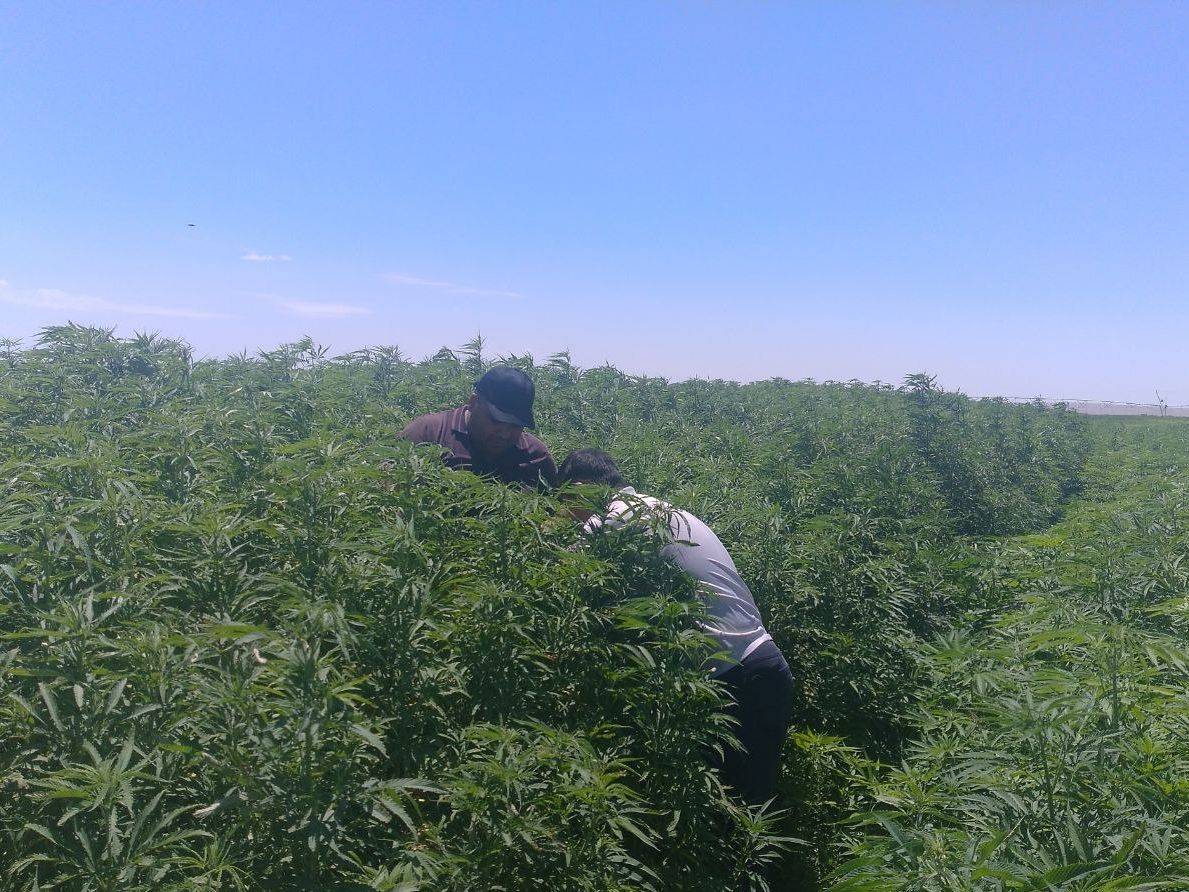
Hemp Farm processes the whole stalk: both the fiber and the hurd become products.
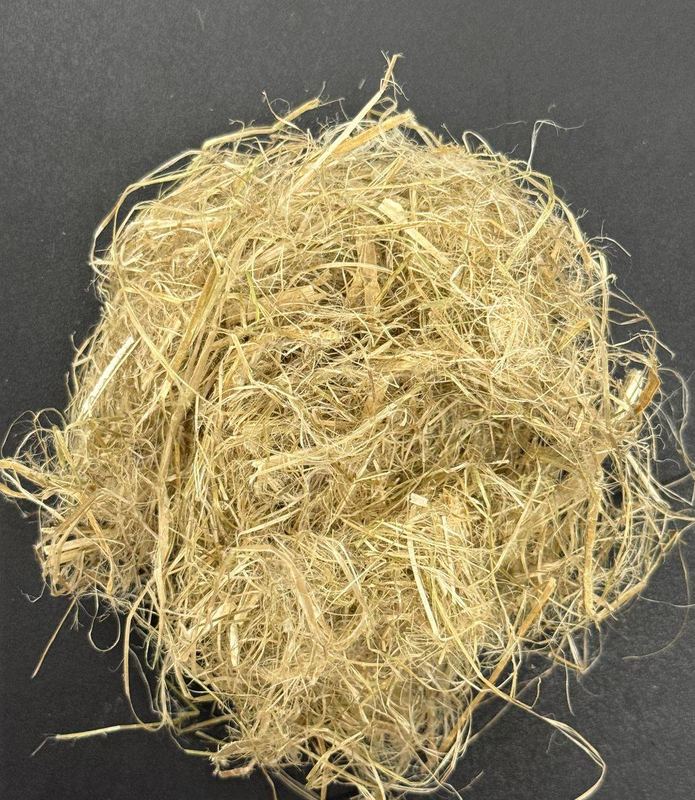
Raw material for textiles: after cottonization, it becomes spinnable fiber for blending with cotton.
Products →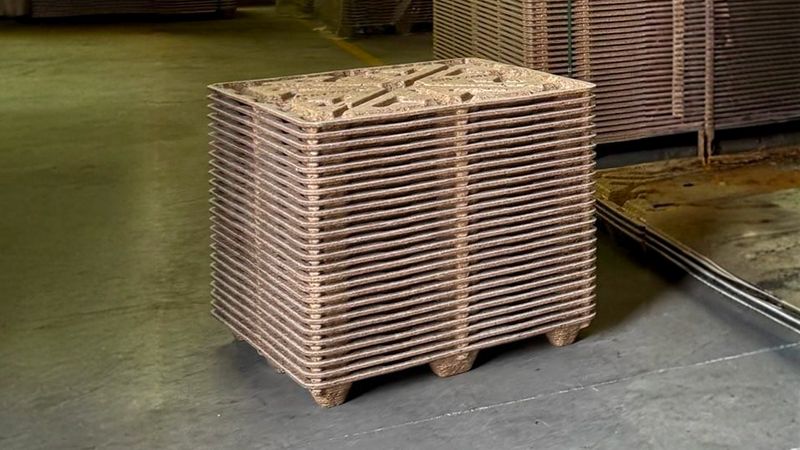
The woody part of the stalk, used for molded pallets, hempcrete and composites.
Products →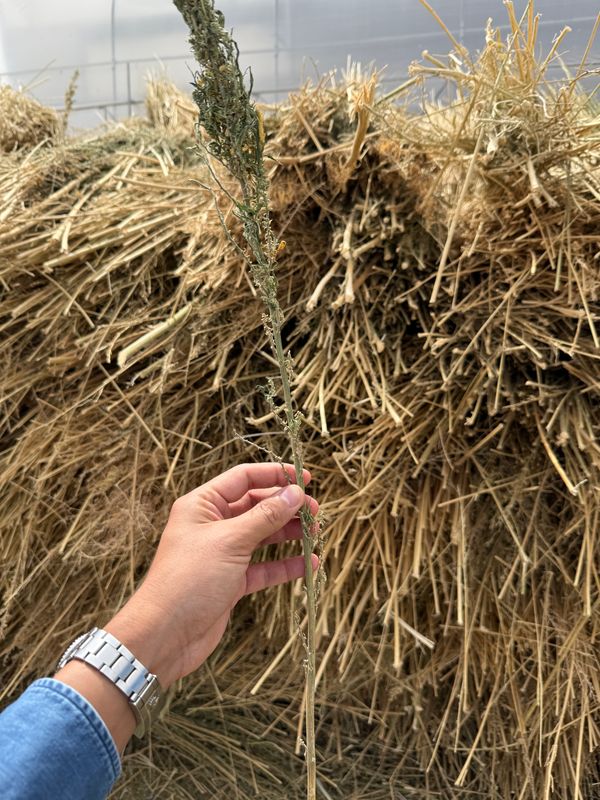
We study the properties of the fiber together with the Academy of Sciences of the Republic of Uzbekistan and TITLI.
Science & R&D →